Pay in installments of $7.06 with
 ,
,
 and
and

Shipping Estimate
USA
- USA
- CAN
- USA
- CAN
Ships within 48 hours · Estimated delivery Jul 3 - Jul 8
 Promo Codes Available:
For Your Every Summer RSVP, with Code: SUMMER15
Description
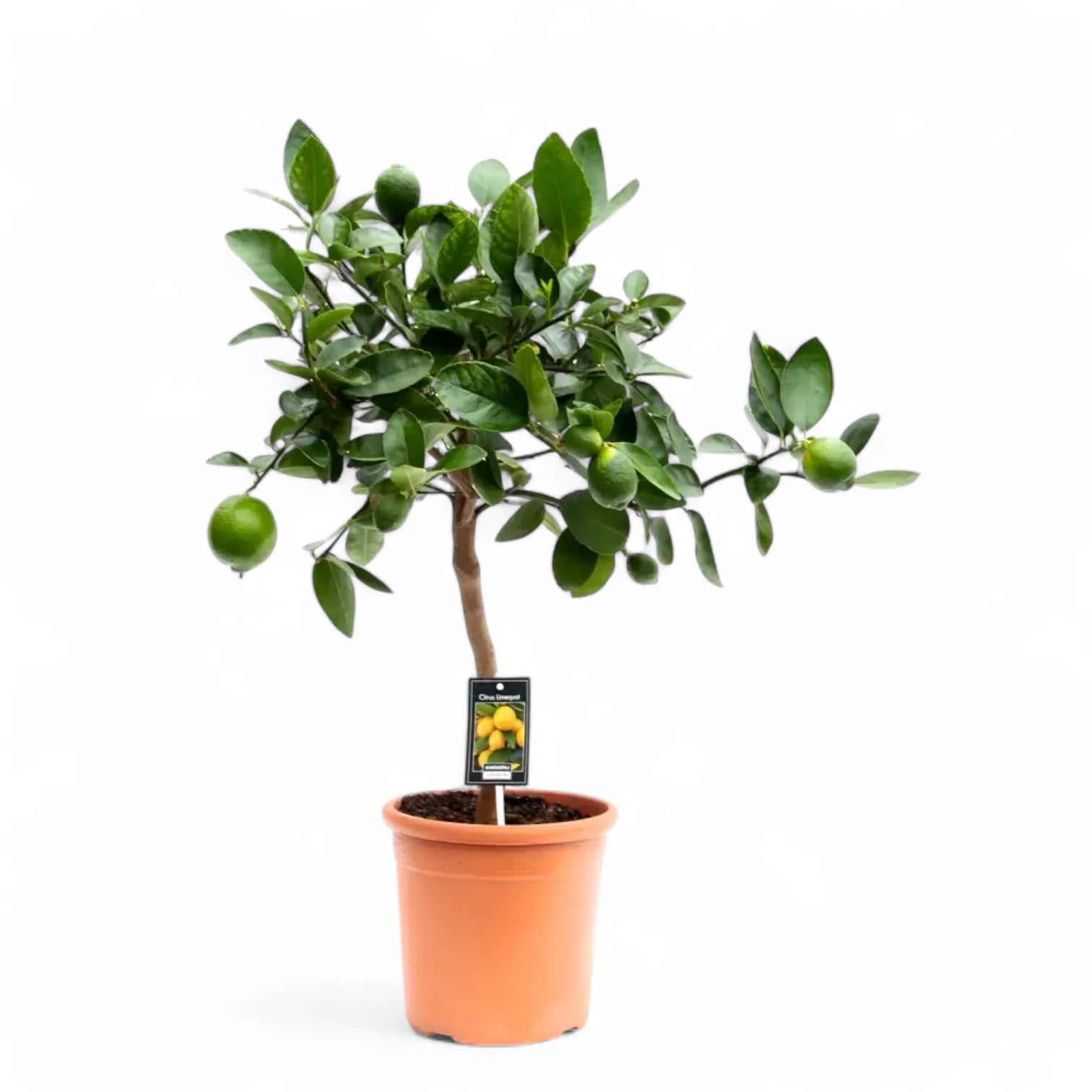
potted lime plant Citrus × latifoliaCitrus latifolia Lime Citrus latifolia Lime is a Persian or Tahiti lime type with glossy evergreen leaves, scented white flowers and medium sized limes with aromatic green rind. It forms a woody branching tree in warm climates and stays manageable in a container with seasonal pruning, regular feeding and bright frost free winter care. The fruit is usually picked green for fresh acidity, although mature limes can turn yellow on the tree. In pot
Citrus × latifolia – Lime
Citrus × latifolia – Lime is a Persian or Tahiti lime type with glossy evergreen leaves, scented white flowers and medium-sized limes with aromatic green rind. It forms a woody branching tree in warm climates and stays manageable in a container with seasonal pruning, regular feeding and bright frost-free winter care.
The fruit is usually picked green for fresh acidity, although mature limes can turn yellow on the tree. In pot culture, Citrus × latifolia develops a rounded branching crown, repeated leaf flushes during warm bright periods and fruiting wood that needs full sun and a well-aerated root zone.
Persian lime foliage, flowers and green fruit
- Fruit: Medium-sized limes with aromatic rind and juicy segmented flesh.
- Leaves: Evergreen, glossy leaves with a clean citrus scent when bruised.
- Growth habit: Woody branching tree that can be kept compact in a pot.
- Flowers: White scented citrus blooms that can develop into fruit under strong light.
- Pot culture: Movable lime tree for full sun, drainage and bright winter rest above about 10°C.
Persian lime hybrid background and growth habit
Citrus × latifolia is an artificial hybrid citrus in Rutaceae and is commonly known as Persian lime or Tahiti lime. Its complex hybrid background involves Citrus hystrix, Citrus maxima, Citrus medica and Citrus reticulata, reflecting the layered ancestry behind many cultivated limes.
In a container, the plant builds a woody framework with glossy leaves and flushes of new growth during warm bright periods. Strong summer light increases the chance of flowering and gives developing fruit enough time to size before the cooler season.
Persian lime seasonal container care
- Light: Give full sun during the outdoor growing season. Under cover, use the brightest possible position and supplement light if winter conditions are dim.
- Water: Water deeply, then wait until the upper part of the substrate has dried before watering again. Keep winter watering lighter in cool conditions.
- Substrate: Use a citrus substrate with excellent drainage and lasting air spaces. Add mineral components if the mix compacts quickly.
- Wintering: Move under protection before nights fall below about 10°C. A bright place around 10–12°C keeps growth slower and watering easier to control.
- Nutrition: Use citrus fertiliser from spring through early autumn. Include micronutrients, as potted limes can yellow when iron, magnesium or manganese availability drops.
- Potting: Keep the plant in a drainage pot and repot gradually in spring when roots fill the container.
- Fruit set: Outdoor pollinators usually handle fruit set in summer. Under cover, hand-pollinate fresh flowers if the plant blooms inside.
- Crown care: Remove weak inward growth and shorten long shoots after harvest to keep the tree open and easy to move.
Persian lime foliage and fruit checks
- Brown leaf edges: Review drying winds, salt buildup, irregular watering and heat behind glass.
- Heavy fruit load on a small plant: Check branch strain and watering consistency. Thin fruit if the young tree is carrying more than the crown can hold.
- Yellow leaves after winter: Check root moisture, temperature and feed timing. Cold damp substrate can reduce nutrient uptake even when fertiliser is present.
- Pest marks: Inspect leaf undersides and stems for spider mites, scale, whitefly and mealybug before moving the plant under winter protection.
Persian lime peel oils and name
Peel, leaves and citrus oils can irritate pets that chew lime material. Remove dropped fruit, loose leaves and cut stems where pets can reach them, and prune carefully around thorny shoots.
The generic name Citrus is drawn from older Latin citrus naming. The epithet latifolia means broad-leaved, from Latin latus for broad and folium for leaf. Citrus × latifolia sits within Rutaceae and is commonly known as Persian lime or Tahiti lime.
Shipping Notes
- Free Standard Shipping on $100+ Orders to the USA.
- Except Preorder products are shipped in 48 hours.
- Delivery to the USA:
- Standard Shipping : 3-10 business days
- If time is of the essence, please consider selecting expedited delivery for faster service.
Exchange/Return Notes
- We offer a 30-day return/exchange service after receiving.
- Final sale items are not eligible for returns or exchanges.
- To process your return/exchange, please contact us at [email protected]
- Please click here for more details>>> Return & Exchange Policy